Sun protection for hair: do you really need it?
5 min read Life stages Updated 2 September 2026
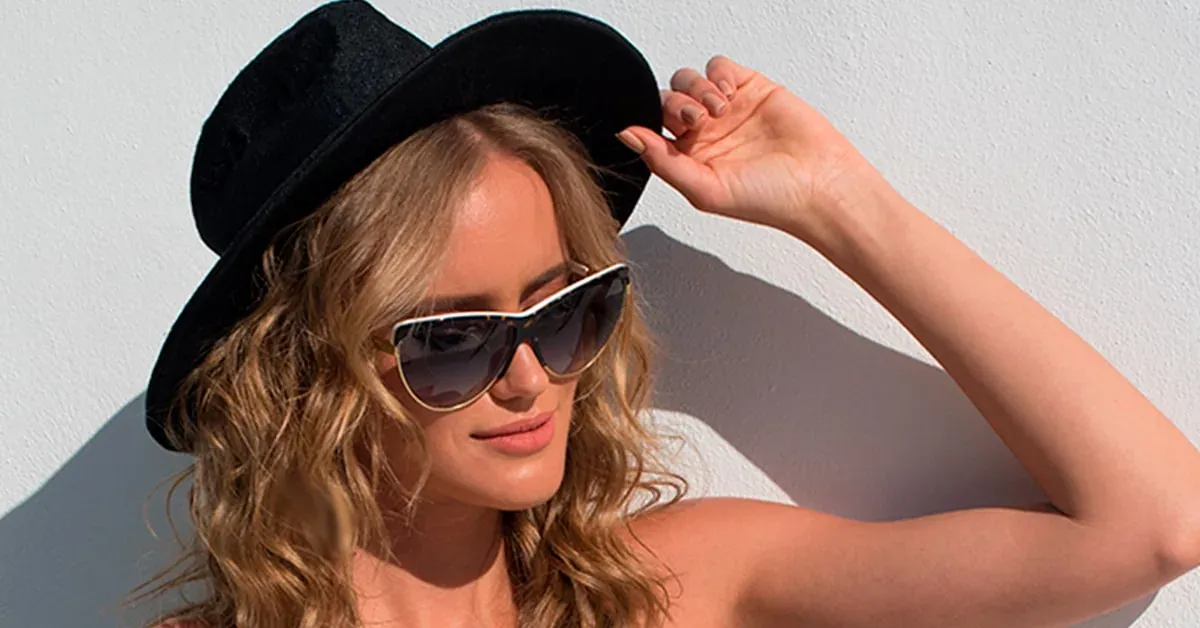
Hair can look drier from the sun, and color can fade faster. The exposed scalp, however, is skin and needs real sun protection. A caring hair product may only count as UV or sun protection when that exact function is officially proven and labeled.
It is precisely this distinction that often gets lost in summer. So here we separate it clearly: what happens to the hair, what happens to the scalp, and what care can actually do without promising more than it can keep.
What the sun does to hair and color
The hair itself is dead keratin; it does not regenerate the way skin does. Whatever happens to the fiber stays visible until it grows out or is cut off. UV radiation, heat and salt or chlorinated water work together and leave familiar traces:
- A dry, dull feel: the protective lipid layer of the lengths is attacked, the hair feels rough and picks up static more easily.
- Fading color: UV breaks down color pigment. Colored and bleached hair especially can look flatter after weeks in the sun or drift toward a coppery tone; more on this in the guide to color-treated hair.
- Brittle ends: loss of moisture makes the ends more fragile and encourages split ends.
None of this happens in a single day; it adds up over the summer. The good part: precisely because it is a look-and-feel matter and not a medical one, a few simple habits can soften it noticeably.
Your exposed scalp needs real sun protection
Here lies the most important distinction in this guide: your scalp is skin. At the parting, on thinning areas and on a bald head, the sun reaches it almost unfiltered, and it can get sunburned just like your shoulders or your nose. That is not a cosmetic question but a skin one.
So the same rule applies to the scalp as to the rest of your skin: it needs real sun protection, meaning either physical cover or a sunscreen with a stated SPF that is suitable for the scalp. A hair oil, a leave-in or a care cream does not replace that. These products care for the fiber; they are not sun protection for skin, unless a product carries exactly that tested and labeled function.
If the scalp is already red, tight or blistering, it needs cooling, rest and, when in doubt, a doctor's opinion. That is no longer a hair-care question.
Physical protection: hat, shade and parting
The most reliable protection is mechanical, and it works for hair and scalp at the same time:
- Cover your head. A hat, a cap or a scarf shields scalp and lengths at once and is unbeatable on intense days. Around midday, doubly so.
- Protect the parting. The parting is the spot with the highest sunburn risk. Anyone not wearing a hat covers it with a sunscreen suitable for the scalp, or shifts the parting and changes the style so the same line is not always exposed.
- Shade and timing. Avoid the strongest radiation around midday where you can. Shade is the simplest "filter" there is.
These three things cost nothing and work immediately, unlike any care product.
What hair products can support
Care cannot replace sun protection for the scalp, but it does help the hair come through summer suppler and with better color. The right expectation matters: these products care for feel and appearance, they are not sun protection for skin.
- A leave-in as a moisture and slip base. Working a leave-in like the Restore™ Leave-In Conditioner into towel-dried hair wraps around the lengths, keeps them supple and makes detangling easier. It does not replace sun protection, but it makes the hair more resilient to the touch.
- Oil to seal the ends. A few drops of REJUVENIQE® on the ends alone visually smooth the cuticle and hold moisture better in the hair. Stay sparing, because too much weighs it down. How much makes sense is shown in the guide on using hair oil the right way.
- Top up moisture. Salt, chlorine and heat dry hair out. A rich treatment like the Super Moisture Mask once or twice a week gives the lengths back what summer takes away.
Whether an individual product carries a tested UV function is always stated on the label; rely on that, not on general assumptions. Anyone who wants to build a complete summer routine will find the steps in the guide to summer hair care.
After beach and pool: the after-sun routine
What happens after a swim helps decide the feel of your hair for the next few weeks:
- Rinse early. Rinse salt and chlorine out with clean water as soon as possible, ideally still on the beach or straight after the pool, before they dry in the sun.
- Cleanse gently. In the evening, a mild shampoo that lifts the deposits without stripping the lengths further.
- Give moisture back. Work in a rich mask or a leave-in that replaces the lost moisture. That way the hair starts the next day cared-for.
- Reduce the heat. The sun and salt have already asked a lot; use the dryer and flat iron more sparingly in summer and let the hair air-dry more often.
This short routine is the real difference at the end of the season: not the one miracle product, but consistently topping up moisture.
Common mistakes
- Seeing a hair oil or leave-in as sun protection. These products care for the fiber; they are UV or sun protection for skin only when exactly that is tested and labeled.
- Forgetting the scalp. The parting, thinning areas and a bald head can get a real sunburn; here a hat or a scalp-suitable sunscreen applies.
- Letting salt and chlorine dry in. The longer they stay in the hair under the sun, the drier and duller the feel; rinse out early with clean water.
- Too much oil in the lengths. A few drops on the ends is enough; more weighs it down without protecting better.
- Keeping up hot styling in summer. Sun, salt and heat add up; use the dryer and flat iron more sparingly on purpose.
Quick questions
Do hairs need SPF?
The hair itself does not need an SPF; it is dead keratin and takes no health damage. UV can make it look drier and fade color, but that is an appearance matter. Real SPF is needed by the skin: your scalp, your face, your ears.
How do I protect the parting?
Best of all with a hat or a cap. Without a head covering, cover the parting with a sunscreen suitable for the scalp that carries an SPF. It also helps to shift the parting so the same line is not always exposed to the sun.
Does REJUVENIQE® protect against the sun?
No. REJUVENIQE® is a care oil for the feel and suppleness of the lengths; it is not sun protection and not an SPF for the scalp. A product may only count as UV or sun protection when that exact function is tested and stated on the label. For skin you use real sun protection or a head covering.
What do I do after the beach or pool?
Rinse salt and chlorine out with clean water as soon as possible, cleanse mildly in the evening, and give the hair moisture back with a mask or leave-in. Reduce heat styling during this time, because the hair is already stressed as it is.
The hair check rounds out your summer care but does not replace sun protection for the skin. Take the free hair analysis. In a few minutes you get a clear assessment and, if you like, personal recommendations from a real consultant.