Dry scalp or dandruff? How to tell the difference
7 min read Care know-how Updated 2 September 2026
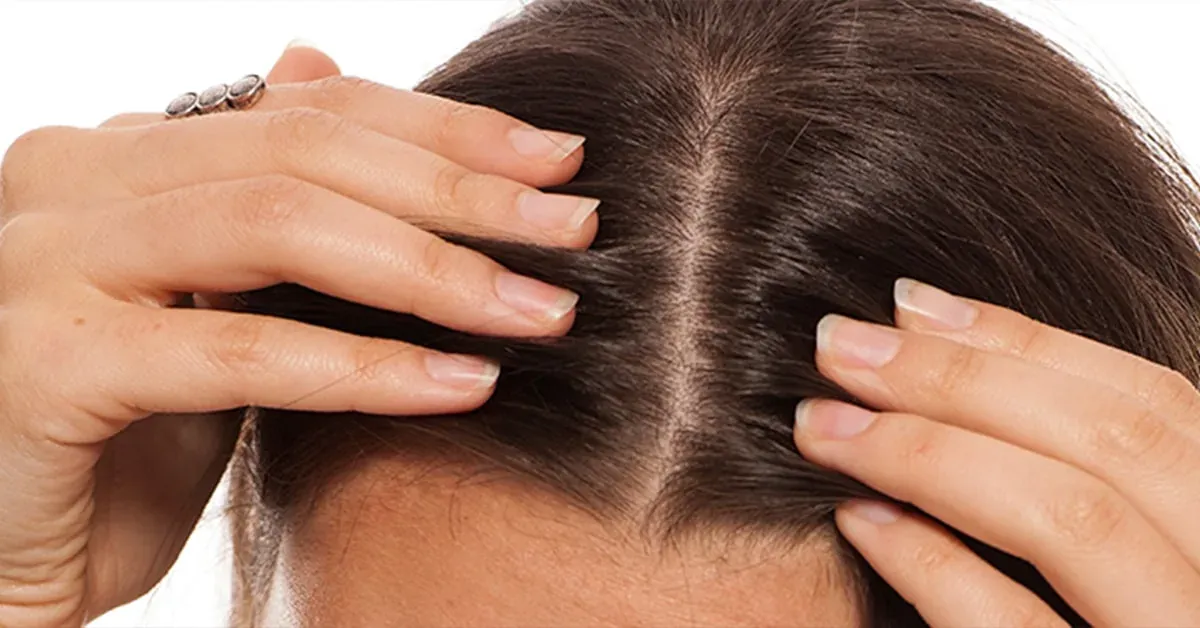
Fine flakes on your dark jacket, and instantly the question: is this dandruff? Often it isn't. In everyday language "dandruff" is a catch-all for quite different things, and telling them apart is worth it, because a dry scalp, actual dandruff and an irritated scalp each need something different. Doing the wrong thing, like fighting a dry scalp with a drying shampoo, often makes it worse. This guide helps you read the signals cleanly, shows what a gentle scalp routine can support, and makes clear where care ends and a doctor's assessment begins.
Dry scalp, dandruff or irritation? Three pictures
Before you change anything, take a close look at three basic pictures. They feel different and they look different.
- Dry scalp: fine, white, dry flakes that scatter easily. Plus a feeling of tightness, sometimes a slight pull after washing. The skin feels a little "too small".
- Dandruff: larger, often yellowish, greasy-looking flakes that cling near the roots rather than falling. The roots may feel a touch oily at the same time.
- Irritation: redness, burning, itching, tenderness to the touch. This is no longer a purely cosmetic picture, and there's more on that below.
In real life these pictures overlap, so the read isn't always clear-cut. But it gives you a first direction.
Where the fine, dry flakes come from
A dry scalp is usually the sum of small irritants: water that's too hot, washing too often or too vigorously, harsh surfactants, hard water, dry indoor heating in winter. The skin barrier loses moisture, tightens and sheds fine flakes. The good part: those triggers can usually be dialled back. Rinse lukewarm instead of hot, cleanse gently instead of aggressively, wash out residue thoroughly. What that looks like in detail is in the guide how to wash your hair. A dry scalp often settles once you ask less of it and give a little moisture back.
What greasy, yellowish flakes mean
Larger, yellowish, clinging flakes are a different matter. They tend to show up where the scalp is oilier, and they don't improve with dryness but with the opposite. Here we draw a clear line: cosmetic care does not diagnose or treat dandruff. Stubborn, recurring, greasy flakes, especially with itching or redness, can be a sign of a skin condition such as seborrhoeic dermatitis. That belongs in professional hands, not cared away with a wellness serum. A gentle routine can accompany a healthy scalp, but it does not replace a diagnosis.
When the scalp is irritated
Irritation is the third picture, and the one where you should most likely pause. Burning, clear redness, soreness, or an itch that keeps you awake at night are not a normal part of switching things up. An irritated scalp is no place for an exfoliant, a scrub or a new product on a hunch. Less is more here: gentle cleansing, no mechanical stress, and a pause when in doubt. For how to read and relieve a sensitive scalp in general, see the guide on a sensitive scalp.
What a gentle MONAT scalp routine can support
If your issue is clearly the dry, tight, uncomfortable feeling, and not greasy flakes or irritated skin, then it's about comfort and moisture. This is exactly where the MONAT method comes in: we choose the care by the state of the scalp, not by the label. MONAT has its own scalp products for this, such as the Scalp Comfort Balancing Treatment and its matching serum. The idea behind them is soothing and moisture-oriented: the scalp should feel suppler and more comfortable and pull less. This is expressly a comfort and appearance goal, not a medical one. A product like this neither diagnoses nor treats dandruff, seborrhoeic dermatitis, eczema or psoriasis.
And one point that's easy to miss: "nature-based" or "made with natural ingredients" does not automatically mean gentle. Botanical actives and essential oils can irritate sensitive skin too. What matters is how your scalp reacts, not the label. So introduce one product at a time, patch-test on a small area first, and stop at burning or increasing redness rather than pushing through.
Red flags: when to see a dermatologist
Some signals don't belong in cosmetics but in professional hands. Talk to a doctor or a dermatology practice if your scalp:
- shows spreading redness, swelling or warmth,
- is painful, weeping, or has open, crusted areas,
- has sharply defined, scaling or reddened patches,
- or if the flaking and itching persist or keep coming back despite consistent, gentle care.
This boundary isn't small print. It's the most important part of this guide: care supports a healthy scalp; it does not replace an examination or a diagnosis.
How this step fits into a complete routine is in Building a Hair-Care Routine: The 3 Steps That Matter.
Quick questions
Are dry flakes the same as dandruff?
Not necessarily. Fine, dry, falling flakes with a feeling of tightness point more towards a dry scalp; larger, yellowish, clinging flakes are a different picture. Stubborn, recurring dandruff should be assessed by a doctor.
Can MONAT Scalp Comfort treat dandruff?
No. It's a cosmetic comfort product for a healthy scalp that feels dry and tight. It does not diagnose or treat dandruff, seborrhoeic dermatitis, eczema or psoriasis.
Does an anti-dandruff shampoo help with a dry scalp?
Often not, and the opposite can happen. Drying formulas can further irritate an already dry scalp. Understand the cause first, then work gently and with a focus on moisture.
Is "natural" automatically gentle?
No. Nature-based ingredients can irritate too. A patch test on a small area and your scalp's reaction tell you more than any label.
Still unsure whether your scalp needs moisture or something else entirely? The free Glow Tribe hair analysis asks about your scalp condition and habits in a targeted way. You see your profile straight away, and from it a personal advisor from our team builds you a gentle read along with a routine that fits.