Hydration for the skin: water is not the same as oil
6 min read Skincare Updated 2 September 2026
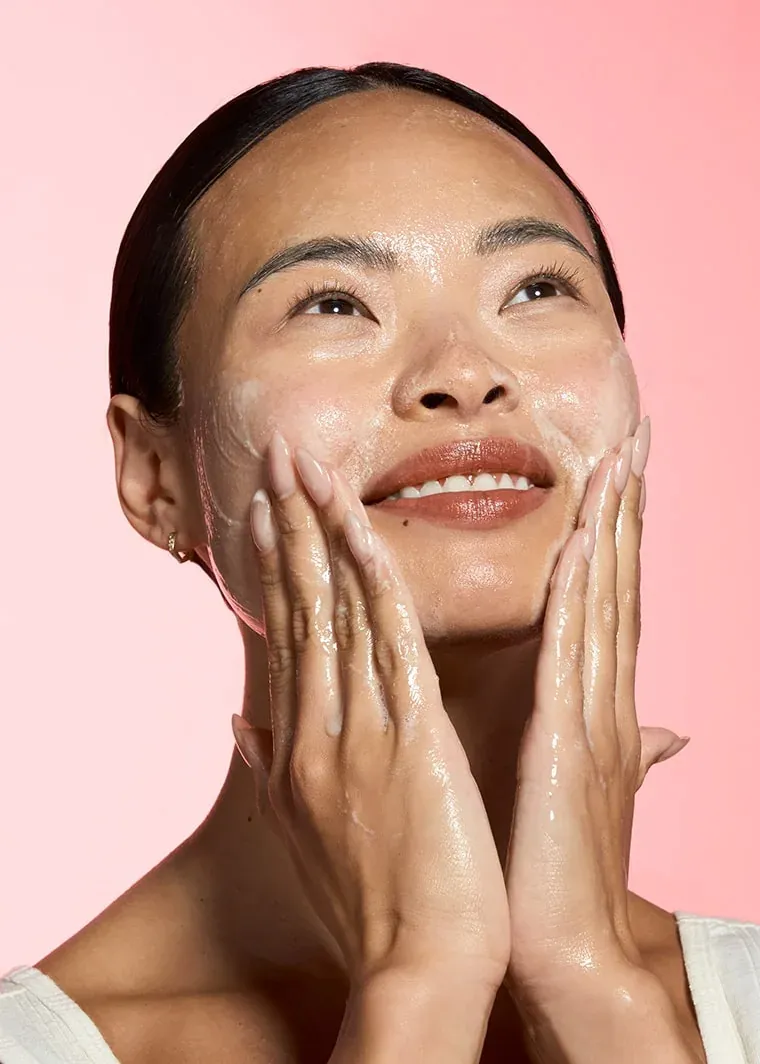
Hydration is the foundation of any skincare routine, well before pricey serums and specialist products. Even so, a lot of people lump together two things that belong closely together and yet aren't the same: giving skin water, and then keeping that water in the skin. Once you understand both sides, you often get by with fewer products, not more.
Hydrate or seal: the difference
Picture your skin as a sponge. "Hydrating" means filling the sponge with water. That's the job of light, water-binding substances that draw moisture to themselves. "Sealing" means laying a thin layer on top so the water can't evaporate again. That's what richer, oilier textures do.
The two together make for cared-for skin that feels soft and supple. If the water is missing, even the thickest cream does little, because it just seals a dry layer. If the sealing is missing, the moisture fizzles away over the course of the day. A good moisturizer covers both, in one step.
Three jobs: bind, smooth, protect
Behind "hydrate and seal" sit three kinds of ingredient that work together:
- Humectants draw water in and hold it in the upper layers of skin. Substances like glycerin or hyaluronic acid do this. They fill the sponge.
- Emollients settle between the skin flakes, smooth the surface and make it feel supple. Plant oils and richer textures take care of this.
- Barrier support means building blocks that resemble skin's own protective layer and help less water evaporate.
A balanced moisturizer combines these roles. A MONAT moisturizer fits exactly here, as the step that binds, smooths and at the same time supports the barrier. Which products in the line are available to you varies by region, and that's something your consultant can clarify. For a deeper look at how the protective layer itself becomes more resilient, read the guide on strengthening the skin barrier.
How do you recognize dehydrated skin?
Dehydrated skin often feels tight, especially after cleansing, when there's nothing on it for a moment. The complexion looks dull rather than fresh, make-up settles into little creases, and fine lines show up more clearly as soon as the skin dries out. After a glass of water or a night with cream on, those same lines often look softer again. A good sign that this is about moisture and not something more fundamental.
The difference between dry and dehydrated skin matters, because the two are treated differently:
- Dry skin is a skin type. It's short on oils (lipids) more permanently, often feels rough and flaky all over, and benefits from richer, sealing emollients.
- Dehydrated skin is a condition that can hit any skin type, including normal and oily skin. It's short on water, usually temporarily, from weather, heated air, long showers or over-aggressive cleansing. Here it's mainly humectants that help.
Oily but tight skin is the classic example of dehydrated rather than dry: enough oil, too little water. Once you tell the two apart, you reach for the right texture instead of automatically grabbing the richest cream.
Which texture suits your skin type?
The right texture decides how something feels on the skin more than the product name does:
Gel is light, sinks in quickly and leaves barely any film. Pleasant for oily and combination skin, or for warm days.
Lotion or fluid is the middle ground: noticeably nourishing but not heavy. It suits normal skin and is a good starting point if you're unsure.
Cream is richer and more sealing, ideal for dry skin or the colder season.
Texture is also a matter of preference. If something feels too heavy or too sticky, you'll reach for it less often, and regularity counts for more in the end than the richest formula. For how a moisturizer fits into the cleanse, care and protect sequence, see the guide on skincare routine basics.
Oily skin needs moisture too
This one is stubborn: "My skin is shiny, so it doesn't need moisture." But oil and water are two different things. If oily skin also feels tight, it may still be short on water, and some of that shine actually appears because the skin responds to dryness with more sebum. A light, water-based product gives moisture without weighing skin down. Skipping it rarely does your skin a favour. For how resilient skin comes about in the first place, read the guide on strengthening the skin barrier.
Apply to slightly damp skin
A small trick with a big effect, one we pass on again and again in consultations: apply your product to slightly damp skin, shortly after cleansing. The moisture still present gets locked in, and many textures spread more smoothly on damp skin. So just pat gently instead of rubbing dry, and moisturize right away.
When applying, the same rule holds as with hair: from light to rich. First the thin, hydrating products, then the sealing cream on top. A MONAT moisturizer finds its place right here, as the moisture step after cleansing, morning and evening. Which products in the MONAT care line are available varies by region. Your consultant can tell you what's currently available and suits how your skin feels.
And the most important point: sticking with it beats any single product. Skin shows changes slowly, so give a routine a few weeks before you judge it. One more note: "nature-based" doesn't automatically mean "gentle for every skin." Test each new product first on a small area, such as the crook of your arm, before using it over a larger area.
Which products cover these basics at MONAT is shown by the overview MONAT skincare: the overview.
Quick questions
What comes first, moisture or oil?
The water-based, hydrating product first, then something richer to seal. Light on the inside, heavy on the outside.
Is a moisturizer enough on its own?
As a base, yes. Sun protection during the day is part of it for many people, and everything beyond that is a question of your skin and your goals.
How often should I moisturize?
Usually morning and evening after cleansing. With very dry skin, a small top-up during the day is fine too.
Can a moisturizer make skin oily?
A texture that's too rich can feel heavy. Then a lighter gel or fluid helps, not dropping the moisture altogether.
Don't puzzle over your skin type: the free Glow Tribe hair analysis captures your profile in a few minutes, and a personal consultant shows you which texture and which rhythm really suit you.